
Biochar Kilns & Production Equipment
Biochar production equipment for different scales
Biochar production equipment ranges from relatively simple kilns and retorts to engineered batch and continuous pyrolysis systems.
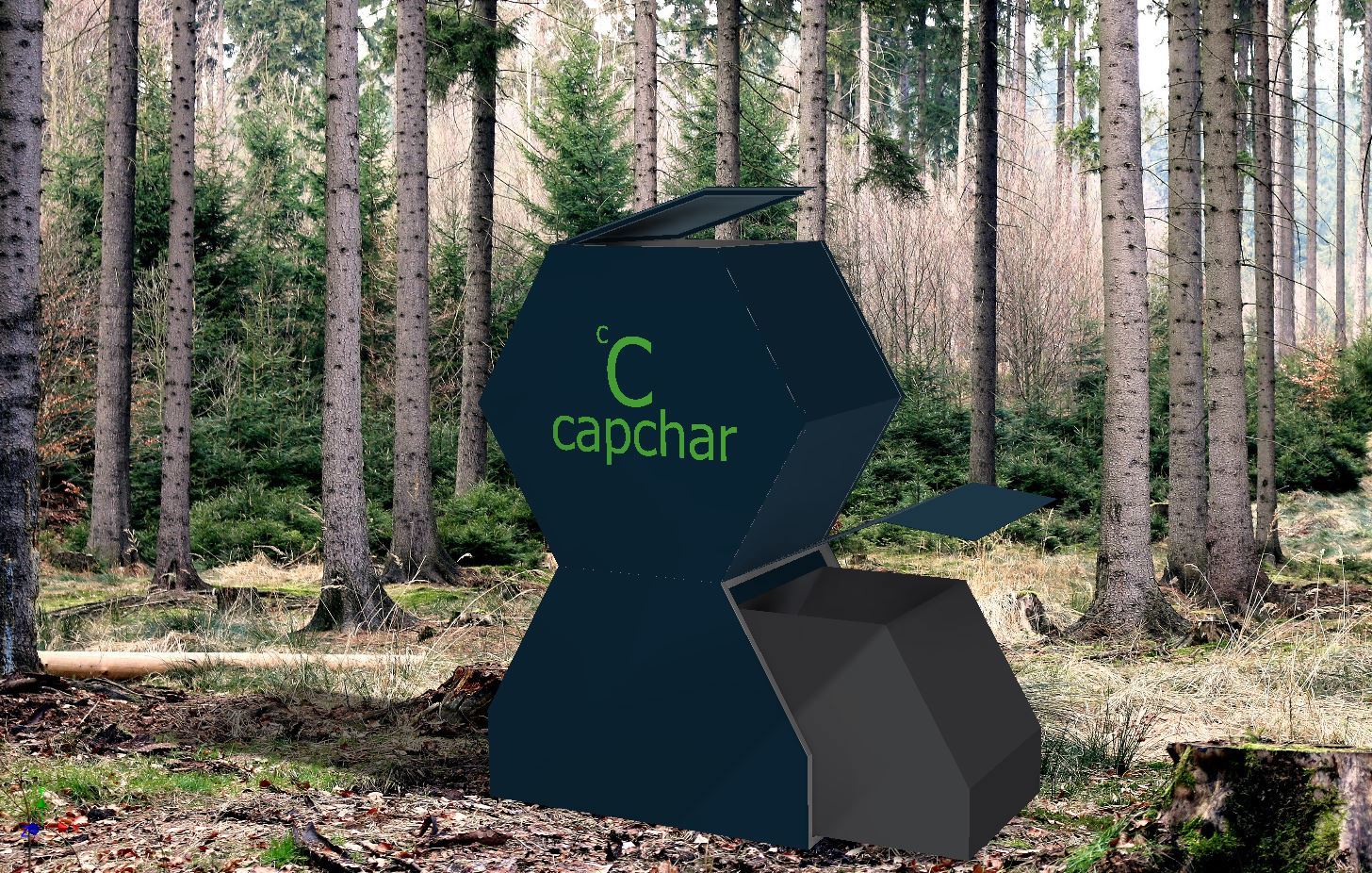
What type of biochar equipment do you need?
There is no single biochar kiln or production system that is right for every project. The appropriate equipment depends on the biomass available, how much needs to be processed, feedstock moisture, required biochar output, available labour and whether useful heat can be recovered.
If you are looking for a biochar kiln or production equipment in the UK, understanding these factors is the best place to start.
Biochar kilns and flame-curtain systems
Biochar kilns can provide an accessible route into production for woodland management, smallholdings, farms, demonstration projects and smaller quantities of biomass. Flame-curtain designs, including Kon-Tiki style kilns, use controlled combustion above the material to reduce the amount of oxygen reaching the char beneath.
Biochar retorts
Retorts generally heat biomass within an oxygen-limited chamber and can provide greater process control than simpler open kiln systems. They are available at a range of scales and are commonly operated as batch systems.
Commercial biochar production equipment
For projects processing larger and more consistent volumes of biomass, engineered pyrolysis systems can provide greater process control, higher throughput and opportunities to recover useful thermal energy.
Commercial batch pyrolysis
Engineered batch systems process a defined quantity of biomass during each production cycle. They can offer greater process control, emissions management and heat recovery while retaining the flexibility of batch operation.
Continuous pyrolysis systems
Continuous systems introduce feedstock and remove biochar during operation. They can provide greater throughput and automation where sufficient consistent feedstock and operating hours are available.
Heat recovery and thermal storage
At commercial scale, biochar does not have to be the only useful output. Pyrolysis also produces thermal energy that can potentially be recovered for feedstock drying, buildings, agricultural applications or industrial processes.
Where heat production and demand occur at different times, thermal energy storage can also form part of the wider system.
Biochar equipment by project scale
Different types of biochar production equipment suit different scales and objectives. The table below provides a simple starting point for comparing the main options.
| Project | Equipment to consider | Typical objective |
|---|---|---|
| Garden / demonstration | TLUD or small kiln | Learning and producing small quantities of biochar |
| Woodland / smallholding | Flame-curtain kiln or retort | Biomass management and biochar production |
| Farm / estate | Retort or batch pyrolysis | Regular biochar production |
| Commercial production | Engineered batch or continuous pyrolysis | Higher throughput and process control |
| Biomass + useful heat | Pyrolysis with heat recovery | Biochar production and useful thermal energy |
| Integrated energy project | Pyrolysis, heat recovery and thermal storage | Matching biomass processing with energy demand |
Choosing the right biochar production equipment
Before selecting a biochar kiln, retort or commercial pyrolysis system, it is important to understand the wider project rather than simply comparing machine capacity or purchase price.
What feedstock do you have?
The type of biomass matters. Tell us what you want to process — for example wood chip, forestry residues or agricultural residues — and whether its size and composition are relatively consistent.
How much feedstock is available?
An estimate in tonnes or cubic metres per year helps determine whether a small batch system or larger commercial equipment is appropriate.
How wet is it?
Feedstock moisture can have a major impact on the process. Drying requirements should therefore be considered as part of the overall production system.
How much biochar do you want to produce?
The required output and intended operating hours help determine the appropriate scale and whether batch or continuous production should be considered.
Can you use the heat?
If there is a requirement for drying, space heating or process heat on site, heat recovery may materially change the economics and design of the project.
What will the biochar be used for?
Agricultural applications, industrial uses and carbon removal can have different requirements for biochar quality, testing and production records.
What is your budget and timescale?
Knowing whether you are exploring feasibility or actively looking to purchase equipment helps identify the most useful next step.
Biochar kilns and production equipment for sale in the UK
The biochar equipment market includes everything from relatively simple kilns and retorts to automated commercial pyrolysis plants. Prices, capacities and operating requirements vary substantially between technologies.
Rather than assuming that one type of biochar machine is suitable for every application, we recommend starting with the feedstock and project requirements and then identifying appropriate equipment.
If you are actively looking to purchase a biochar kiln, retort or commercial biochar production system, send us some basic information about your project and we can help identify the most appropriate route.
New and used biochar equipment
Depending on the scale of the project, both new and used biochar equipment may be considered. With second-hand equipment in particular, condition, emissions performance, controls, safety, feedstock compatibility and the availability of technical support should be assessed carefully.
If you are considering used equipment, include this in your enquiry.